What Causes a Heart Attack? Understanding the Underlying Mechanisms
Learn what causes a heart attack, including coronary artery disease, plaque rupture, blood clots, and contributing risk factors.
Written by Noctua Care7 min read
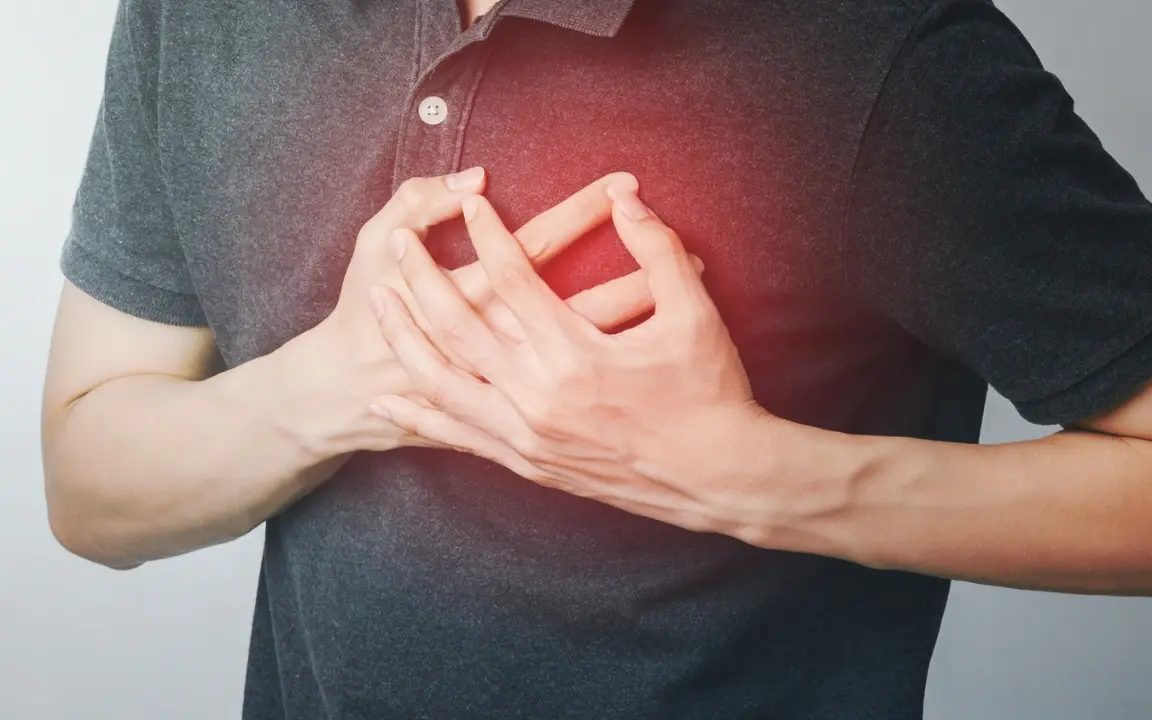
Most heart attacks occur when the blood supply to part of the heart muscle is suddenly blocked, usually due to the rupture of an atherosclerotic plaque and following clot formation. This article explains the underlying process of atherosclerosis, plaque instability, blood clots, coronary artery spasms, and other less common triggers. You’ll also learn about major risk factors that contribute to these mechanisms and how changes in lifestyle and medical care can help prevent future events.
In short
- Most heart attacks are caused by coronary artery disease, a slow buildup of plaque over years.
- The event itself is usually triggered when a plaque ruptures and a clot forms, blocking the artery within minutes.
- Less commonly, a heart attack is caused by artery spasm, a spontaneous tear, or another condition entirely.
- Smoking, high blood pressure, high cholesterol, diabetes, inactivity and family history all raise the risk, and they compound each other.
- Plaques that rupture are not always the ones that looked narrowest, which is why an event can arrive without warning.
What actually happens inside the arteries?
A heart attack, medically known as a myocardial infarction, does not happen randomly. In the vast majority of cases, it is the result of a long, progressive disease process affecting the coronary arteries. Although symptoms may appear suddenly, the underlying mechanisms usually develop silently over many years.
Understanding the causes of a heart attack helps explain why prevention, risk-factor management, and early treatment are so important. It also clarifies why heart attacks can sometimes occur in people who felt well just days or hours before the event.
What is the main cause of a heart attack?
The most common cause of a heart attack is coronary artery disease. The heart muscle receives oxygen-rich blood through the coronary arteries. When these arteries are healthy, blood flows freely and the heart functions normally.
Problems begin when the coronary arteries become narrowed or blocked. This narrowing is most often caused by atherosclerosis, a condition in which fatty deposits build up along the inner walls of the arteries. These deposits, known as plaques, gradually reduce blood flow and weaken the artery wall.
Atherosclerosis usually progresses without symptoms. Many people are unaware they have coronary artery disease until a heart attack occurs.
What is plaque rupture, and why does it trigger a heart attack?
In many cases, a heart attack begins with plaque rupture. Not all plaques are equally dangerous. Smaller, unstable plaques are often more likely to rupture than larger, more stable ones.
When a plaque ruptures, the body reacts as it would to an injury. Platelets gather at the site, and a blood clot forms. In the coronary arteries, this clot can rapidly block blood flow.
Can a Blood Clot Cause a Heart Attack?
Yes. A blood clot is the immediate cause of most heart attacks. When a clot fully blocks a coronary artery, oxygen can no longer reach part of the heart muscle. If blood flow is not restored quickly, heart muscle cells begin to die, resulting in a myocardial infarction.
The size and duration of the blockage determine how severe the heart attack is.
Can a heart attack happen without plaque rupture?
While plaque rupture is the most common mechanism, it is not the only cause of a heart attack.
In some cases, a heart attack may be caused by a coronary artery spasm, where the artery suddenly constricts and restricts blood flow. This can occur even in arteries without significant plaque buildup.
More rarely, heart attacks may result from:
- Blood clots traveling from elsewhere in the body
- Severe anemia reducing oxygen delivery
- Extreme drops in blood pressure
- Certain inflammatory or connective tissue conditions
These less common causes highlight the complexity of heart attacks and the importance of proper medical evaluation.
What Triggers a Heart Attack?
The underlying disease may be present for years, but certain events can act as triggers.
Common triggers include:
- Sudden physical exertion in untrained individuals
- Acute emotional stress
- Severe illness or infection
- Exposure to extreme cold
- Drug use that affects blood vessels
Triggers do not cause heart attacks on their own. They usually act on an already vulnerable cardiovascular system.
Can Stress or a Panic Attack Cause a Heart Attack?
A panic attack does not directly cause a heart attack in a healthy heart. However, acute stress and panic can increase heart rate and blood pressure, temporarily increasing oxygen demand in the heart.
In people with underlying coronary artery disease, this imbalance between oxygen supply and demand can act as a trigger. Chronic stress may also contribute indirectly by promoting unhealthy behaviors such as smoking, poor diet, or physical inactivity.
Can Insulin Overdose Cause a Heart Attack?
An insulin overdose does not directly cause a heart attack, but it can lead to dangerously low blood sugar levels. Severe hypoglycemia can trigger abnormal heart rhythms and place significant stress on the cardiovascular system.
In people with existing heart disease, these effects may increase the risk of serious cardiac events. This is why careful diabetes management is essential for heart health.
What are the risk factors for a heart attack?
Several factors increase the risk of developing coronary artery disease and experiencing a heart attack.
Major risk factors include:
- Smoking, which damages blood vessels and promotes clot formation
- High blood pressure, which strains artery walls
- High cholesterol, which accelerates plaque buildup
- Diabetes, which damages blood vessels and increases inflammation
- Excess body weight and physical inactivity
- Chronic stress and poor sleep
Family history also plays an important role. A genetic predisposition can increase risk, especially when combined with lifestyle factors.
Why do risk factors matter more when they combine?
Risk factors rarely act in isolation. When several are present at the same time, their effects reinforce one another. For example, smoking combined with high cholesterol and high blood pressure dramatically increases the risk of a heart attack.
This cumulative effect explains why prevention focuses on overall risk reduction rather than targeting a single factor.
Why can a heart attack happen without warning?
One of the most unsettling aspects of heart attacks is that they can occur without prior symptoms. Plaques that rupture are not always the ones that cause significant narrowing on imaging tests.
This means a person may feel well and have no warning signs before a heart attack occurs. Regular medical follow-up and risk-factor management are therefore essential, even in people without symptoms.
How does understanding the cause help prevention?
Knowing the causes of a heart attack helps explain why prevention strategies focus on stabilizing plaques, reducing inflammation, and maintaining healthy blood flow through the coronary arteries.
Lifestyle changes, medical treatment, and long-term monitoring all aim to interrupt the disease process before it leads to a heart attack. While no strategy can eliminate risk entirely, informed and consistent action can significantly reduce the likelihood of an event.
How Noctua Care Can Support Understanding and Prevention
Understanding what causes a heart attack empowers people to take an active role in protecting their heart health.
The Noctua Care app provides clear, structured educational content to help users understand cardiovascular disease, identify risk factors, and engage in long-term prevention strategies. It is designed to support informed decision-making alongside regular medical care.
Important note
This article is for educational purposes only and does not replace professional medical advice. Any concerns about heart health or risk factors should be discussed with a healthcare professional.
Sources
1. 2025 ACC/AHA/ACEP/NAEMSP/SCAI guideline for the management of patients with acute coronary syndromes. Journal of the American College of Cardiology, 85(22), 2135–2237. https://doi.org/10.1016/j.jacc.2024.11.009
2. Sweis, R. N., & Jivan, A. (2022). Acute coronary syndromes (Heart attack; myocardial infarction; unstable angina). Manuel MSD
Written by
Written by

Noctua Care
Medically reviewed by
Read more: Cardiology glossaryThe programme after a heart attack
These articles are for information and don't replace advice from your doctor. If you feel unwell, have pain or notice any sign of a heart attack, call the emergency number right away.